
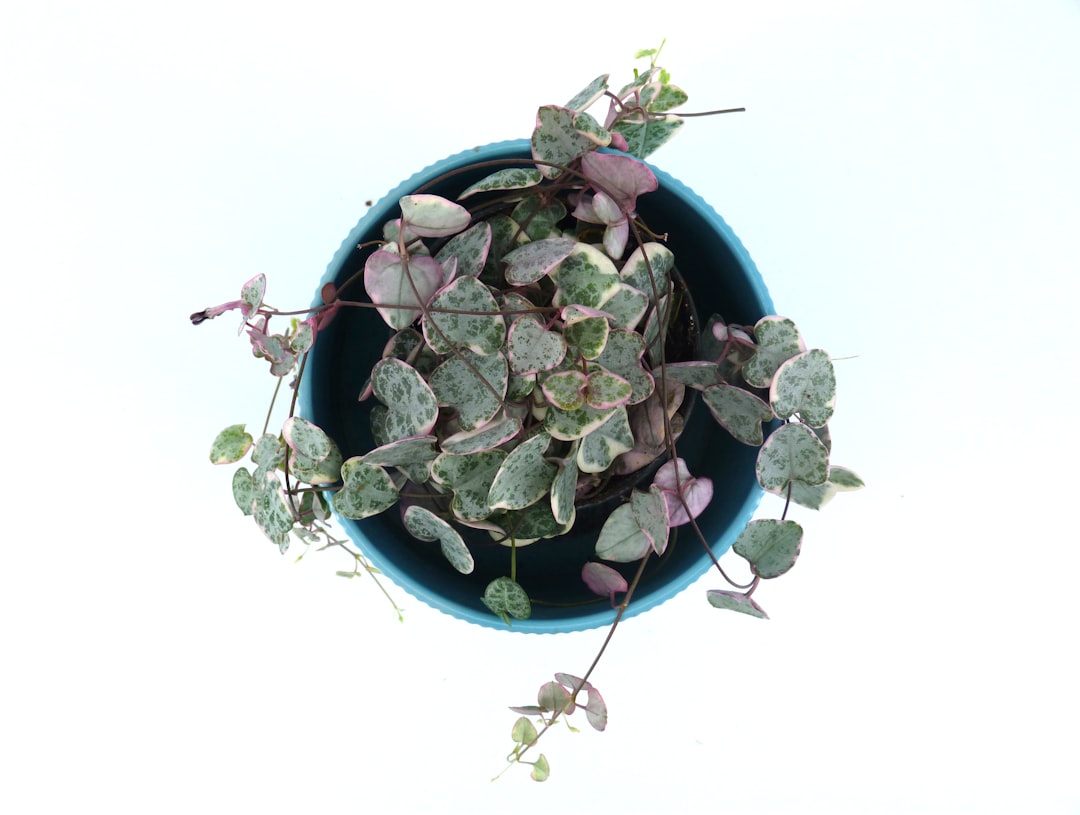
Caring for potted plants can be a rewarding experience, transforming your living space into a vibrant oasis. However, it requires knowledge and commitment to ensure your plants thrive. This guide will provide you with actionable tips and insights to help you nurture your potted plants effectively.
Understanding Your Plants
Before diving into care routines, it’s essential to understand the specific needs of your plants. Different species have varying requirements for light, water, and nutrients. Researching your plant type will help you create a tailored care plan that promotes healthy growth. For instance, succulents thrive in bright light and require minimal watering, while ferns prefer indirect light and consistent moisture.
Additionally, consider the environment in which your plants are placed. Factors such as humidity, temperature, and air circulation can significantly impact their health. By observing your plants closely, you can identify signs of distress, such as yellowing leaves or stunted growth, and adjust their care accordingly.
Watering Wisely
Watering is one of the most critical aspects of plant care, yet it is often misunderstood. Overwatering is a common mistake that can lead to root rot, while underwatering can cause dehydration. To strike the right balance, always check the soil moisture before watering. A simple rule of thumb is to stick your finger about an inch into the soil; if it feels dry, it’s time to water.
Moreover, the type of pot you use can affect how often you need to water. Pots with drainage holes allow excess water to escape, reducing the risk of overwatering. Consider using self-watering pots for plants that require consistent moisture, as they can help maintain the right level of hydration without constant monitoring.
Feeding Your Plants
Nutrients are vital for the growth and health of your potted plants. Regular feeding with the right fertilizer can enhance their vitality and blooming potential. Look for a balanced fertilizer that contains essential nutrients like nitrogen, phosphorus, and potassium. The frequency of feeding will depend on the type of plant and the season; generally, during the growing season, plants benefit from monthly feedings.
Be cautious not to over-fertilize, as this can lead to nutrient burn and damage your plants. Always follow the instructions on the fertilizer package and consider diluting it to half-strength if your plants are sensitive. Observing your plants for signs of nutrient deficiency, such as pale leaves or poor growth, can help you adjust your feeding schedule effectively.
Pruning and Repotting
Pruning is an essential practice that encourages healthy growth and prevents overcrowding. Regularly removing dead or yellowing leaves helps your plant focus its energy on new growth. Additionally, pruning can shape your plant and promote bushier growth, making it more visually appealing. Use clean, sharp scissors to make precise cuts and avoid damaging the plant.
Repotting is another crucial aspect of plant care, especially for fast-growing species. As plants grow, they may outgrow their pots, leading to root binding and nutrient depletion. Repotting every year or two allows you to refresh the soil and provide more space for root development. Choose a pot that is one size larger and ensure it has adequate drainage to support healthy growth.
Checklist:
To summarize, here’s a quick checklist to ensure your potted plants thrive: 1. Research your plant species to understand their specific needs, 2. Check soil moisture before watering to avoid over or underwatering, 3. Regularly prune and repot your plants to encourage healthy growth.
By following these guidelines, you can create a nurturing environment for your potted plants. Remember, patience and observation are key. With time, you will develop a deeper understanding of your plants and their unique needs, leading to a flourishing indoor garden that brings joy and beauty to your home.